
Skip to content

Human Capacity

Performance depends on capacity. Sustainable performance cannot depend on continuous depletion.

Human Capacity describes the resources people can draw on to think, decide, collaborate, learn and act. It depends on their physical, emotional and mental resources, their sense of purpose, and the organisational conditions that support or deplete them.

Four domains

  • Physical Energy

    Vitality, recovery and the ability to sustain effort.

  • Emotional Energy

    The emotional resources available for constructive relationships and collaboration.

  • Mental Energy

    Focus, attention and the capacity to think, prioritise and decide.

  • Meaning Energy

    The sense of purpose and significance that sustains motivation and contribution.

Capacity is not simply an individual attribute. Organisational conditions can preserve it, replenish it or steadily consume it.

People can work harder for a while to overcome problems in how work is organised. But that extra effort takes a toll and can hide the problems that need attention.

The Designed Organisational System can support or strain the Living Human System. In turn, people’s capacity and experience influence how structures, decisions and working practices function in reality.

The organisational question

What in the organisation enables people to contribute, recover and adapt, and what repeatedly consumes their capacity?

Human Capacity and Human Coherence

Human Capacity is what people are able to bring to their work, shaped by their physical, emotional and mental state, their sense of purpose and their everyday experience within the organisation. Human Coherence describes how the four energy domains, Physical, Emotional, Mental and Meaning, work together. Having the energy to keep going is not enough when priorities are confusing, relationships undermine trust or work feels disconnected from purpose.

Research-informed lens

The NeO Frequency Framework draws on research into human performance, recovery, relationships, attention and meaning. It connects these insights with how work is organised to understand what helps people sustain their contribution.

How the concepts connect

Human Capacity enables people to interpret direction, exercise judgement, collaborate and contribute feedback. Signal Integrity describes how clearly meaning, direction and feedback move through the organisation. Organisational Coherence emerges when the Designed Organisational System and the Living Human System reinforce one another, supporting coordinated action and sustainable performance.

Explore all Human Capacity articles
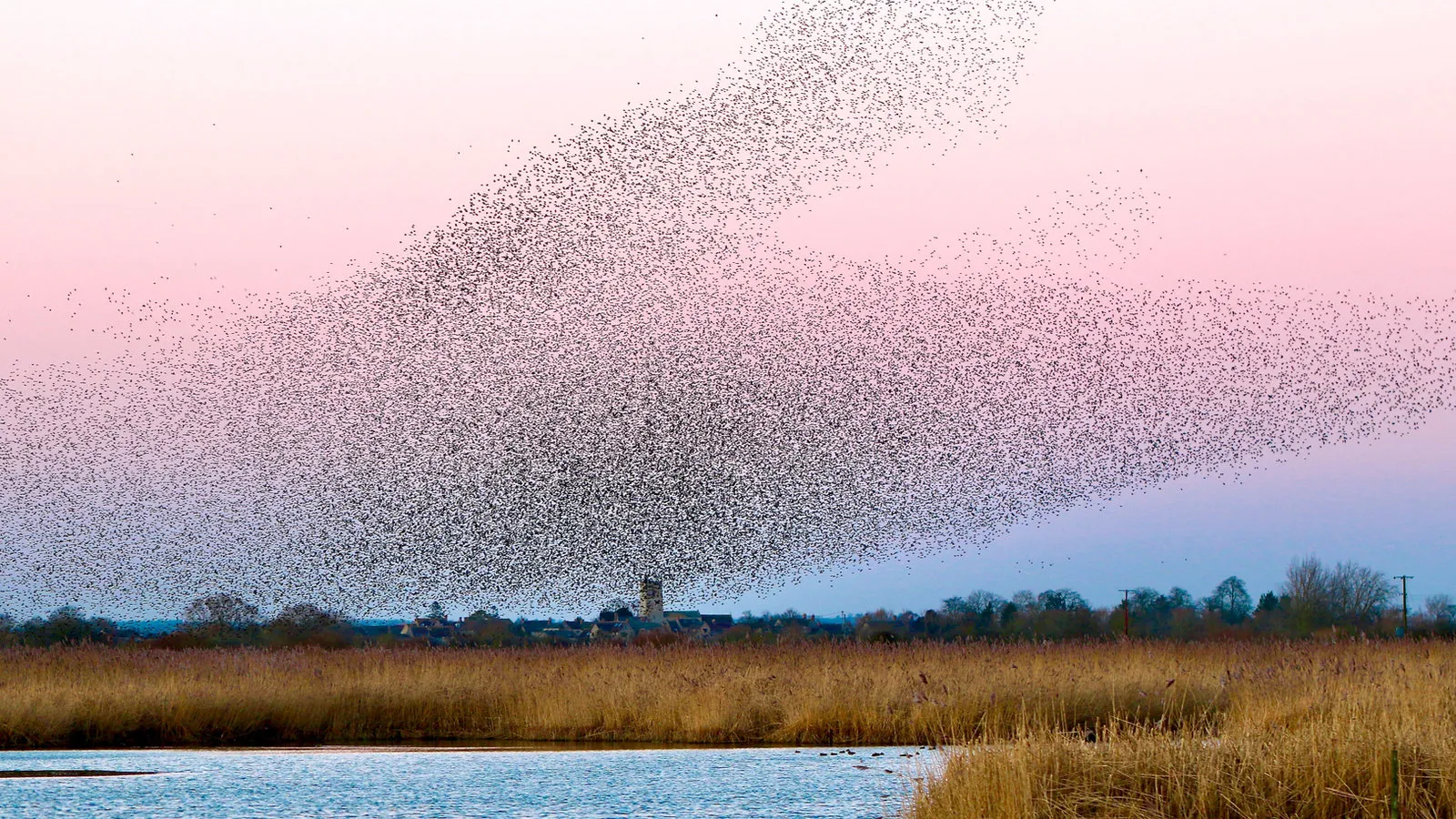
A flock of birds moving together above a wetland.

Organisational Coherence Essays & Insights

How Organisations Become Intelligent

Why do organisations filled with intelligent people still make fragmented decisions? Because individual intelligence does not automatically become organisational intelligence. This essay explores how Organisational Alignment and Signal Integrity must reinforce one another for coherence to emerge, and how coherence makes distributed intelligence collectively available.

5 min read
A wide horizon at dawn, individual forms resolving into one landscape

Human Capacity Essays & Insights

Purpose: Unity & The Field Beyond Self

The final essay in "The 7 Dimensions of Leadership Energy". We enter a phase of leadership that no longer seeks control, but coherence. It is here that true purpose reveals itself, not as a brand story or mission statement, but as a field of unity that transforms both individuals and systems.

4 min read Part 7 of 7

Faint emergent patterns forming in mist over a landscape

Human Capacity Essays & Insights

Inspiration: Visionary Pattern Recognition

Visionary intelligence helps us see the parts of the future already present, embedded in patterns, signals and quiet shifts we too often overlook. It is not about seeing further into the future. It is about seeing differently in the present.

5 min read Part 6 of 7

Strengthen the conditions that sustain contribution.

People need more than the determination to keep going. They need conditions that support clear thinking, constructive relationships, meaningful contribution and recovery.

SID™ explores how human capacity and organisational conditions are experienced across the organisation.